
Top 5 des hôtels romantiques en Provence-Alpes-Côte-d’Azur
Vous avez choisi la région Provence-Alpes-Côte-d’Azur comme prochaine destination romantique ? Vous ne serez pas déçu du voyage. Quoi de mieux pour profiter de l’amour,…
Vous avez choisi la région Provence-Alpes-Côte-d’Azur comme prochaine destination romantique ? Vous ne serez pas déçu du voyage. Quoi de mieux pour profiter de l’amour,…

Que voir en Amérique du Sud ? Cette partie du globe regorge de merveilles architecturales splendides et célèbres dans le monde entier. Des statues Moaï…

La ville de Lyon, également connue sous le nom de ville Lumière, est riche d’une culture qui ne demande qu’à être découverte. C’est bientôt chose…
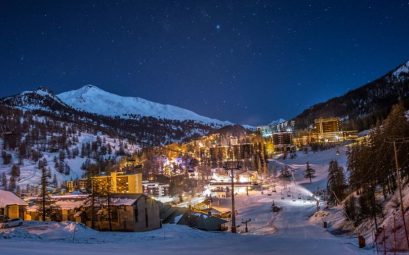
Changez de cadre pour vos vacances et oxygénez-vous en profitant du grand air et de l’altitude. Idéals comme destination quand vous êtes en famille ou…

Vous rêvez de découvrir le charme de Paris et de ses rues typiques ? Le Quartier latin est fait pour vous ! Outre sa richesse…
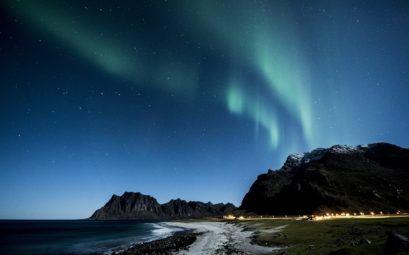
La Norvège est un pays scandinave riche culturellement mais également plein de surprises ! Les aurores boréales sont très souvent sur la liste des choses à…

La Birmanie vous attire depuis quelques temps ? Le trek y est propice et les paysages sont à couper le souffle ! C’est aussi un pays où…

Découvrez l’histoire de France autrement en arpentant les résidences qui ont vu vivre les rois et les grands du pays. Foulez les mêmes couloirs et…

Partez à la découverte du Mont-Saint-Michel et de son abbaye. En gravissant ses marches vous découvrirez un des plus extraordinaires édifices religieux du monde. Bâtit sur…

Au large de l’Afrique et aux portes du Portugal se trouve un véritable écrin de verdure, accessible à tous les amoureux de la nature : il…

Si vous désirez découvrir Paris de manière originale, nous vous proposons de découvrir le déjeuner croisière au cœur de la capitale. Ayant séduit aussi bien…
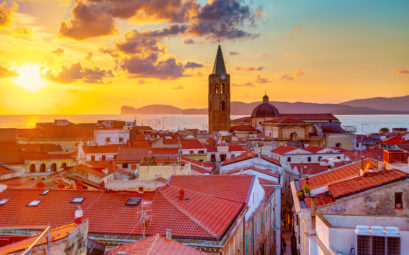
Avant votre départ sur l’île sarde, vous aimeriez connaître quelques astuces pour que votre séjour se passe au mieux et que vous puissiez réduire le…
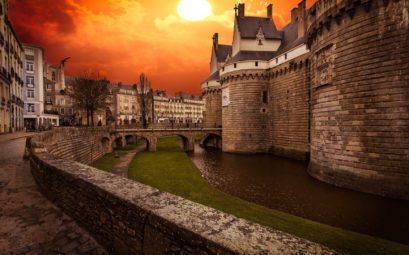
Alors qu'il y a quelques années, les vols vers les destinations européennes ou les vols longs courriers partaient essentiellement de Paris, aujourd'hui, les aéroports des…

Avant de choisir la société de location qui vous fournira la meilleure prestation pour votre séjour à la Réunion, prenez le temps de réaliser quelques…

La Martinique est l’une des plus belles îles du monde, mais il n’est pas aisé de s’y déplacer sans un véhicule. Commander un taxi peut…
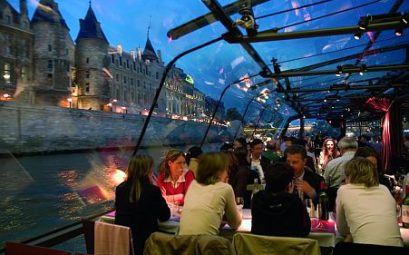
Si vous cherchez une idée originale pour dîner et passer un bon moment en couple, en famille ou entre amis, un dîner-croisière Marina de Paris…
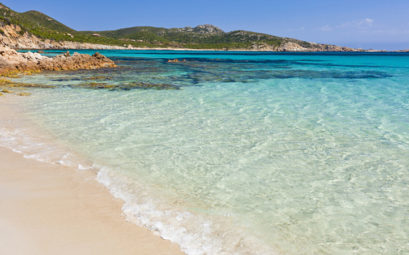
Caressé par les flots de l’océan Atlantique à l’ouest et les vagues de l’océan Indien à l’Est, le cap de Bonne Espérance est l’une des…
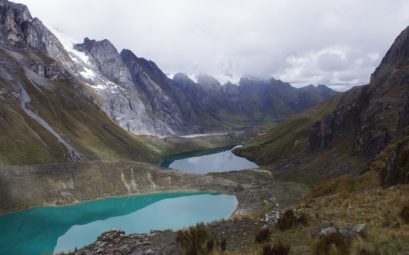
Et si vous changiez d’air pour vos prochaines vacances ? Et si vous partiez en voyage à la montagne cet hiver, non pour y chausser…

Durant l’hiver, il peut être tentant de quitter le froid en optant pour un voyage au soleil. De nombreuses destinations sont envisageables afin de…
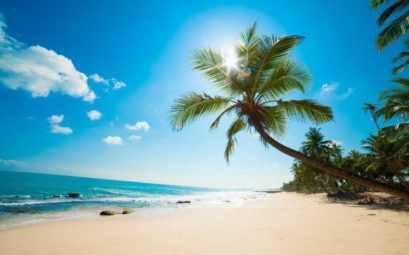
Promovacances fait partie du groupe Karavel, le leader français dans la vente de séjours en ligne sur internet. L’entreprise a été lancée en 1998 sur…